Live streaming technology has changed the way families, businesses and event organisers share important moments. Whether planning a corporate conference, a marketing launch, or a private family ceremony, the reliability of your live stream rests on careful preparation. One of the most important technical considerations is the internet speed and stability at your chosen venue. This article provides clear, practical advice on what organisers should expect in order to achieve uninterrupted, broadcast standard results.
Understanding live streaming technology and its requirements
Live streaming involves sending video and audio signals in real time to viewers online. While the process may appear straightforward, achieving professional and dependable results requires more than just a camera and a laptop. The quality of your stream depends on a combination of well-planned multi camera workflows, robust audio systems with redundancy, and most critically, a stable, high speed internet connection.
What makes internet speed so important for live streaming
The outbound internet speed at your venue directly affects the resolution and stability of your stream. Higher quality streams, particularly those using multiple cameras and professional audio feeds, require more bandwidth. If the connection is too slow or unstable, viewers may experience buffering, interruptions or a drop in quality. For sensitive events such as funeral live streaming, maintaining a seamless and respectful broadcast is especially important. In corporate and conference settings, interruptions can undermine professionalism and disrupt the flow of presentations.
Assessing your venue’s internet stability
Not all venues offer the same level of connectivity. Churches, function rooms, hotels and outdoor locations each present unique challenges. For any live streaming project, it is essential to assess the available internet infrastructure in advance. This assessment includes measuring both upload and download speeds, understanding the reliability of the connection, and identifying any potential sources of interference. At Brian David Films, we recommend conducting a site visit to test the venue’s network, rather than relying on reported statistics or venue assurances alone.
What upload speeds are needed for professional streaming
For a single camera HD stream, a stable upload speed of at least 5 Mbps is typically required. Multi camera workflows, higher resolutions, or streams with additional content such as live PowerPoint presentations may require 10 Mbps or more. The key factor is not just the maximum speed, but whether the connection can maintain this throughput consistently. Sudden drops or fluctuations can interrupt the stream or lower quality automatically.
Wired versus wireless connections
Whenever possible, a direct wired Ethernet connection is preferred for live streaming projects. Wired links are far less susceptible to interference and deliver more stable speeds than Wi-Fi. In some venues, only wireless access is available. In these cases, testing for congestion and interference is essential, especially if the event will host many attendees using their own devices.
Cellular bonding and backup connectivity
For venues with unreliable or unavailable internet, professional streaming teams often use cellular bonding. This technology combines several mobile data connections from different providers to create a single, more robust internet link. If one network becomes unavailable, the others maintain the stream. This approach adds resilience, especially for outdoor events or older buildings with limited infrastructure.

Audio quality and redundancy planning in live streaming
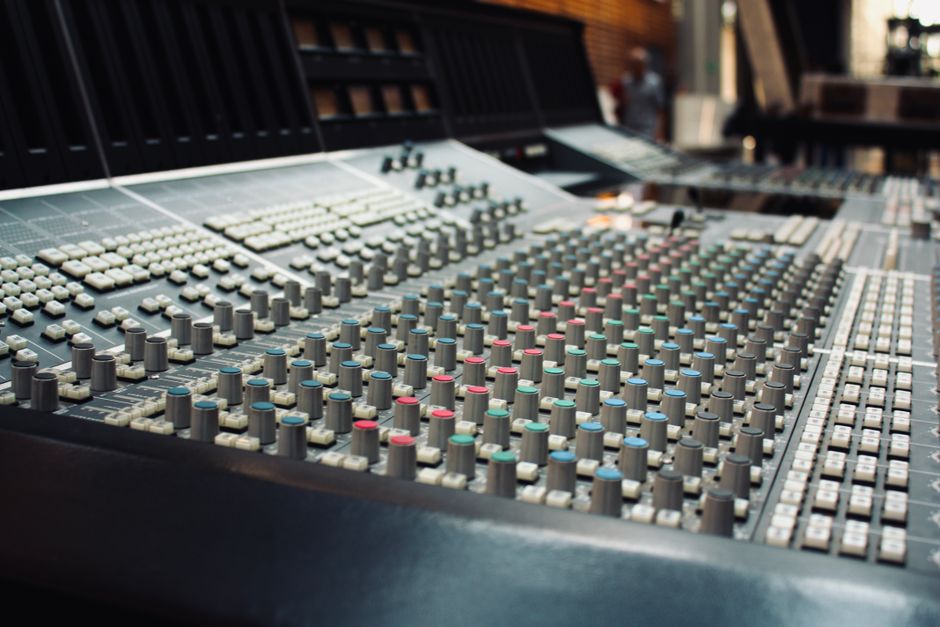
Audio clarity is as important as video quality for all live streaming applications. Reliable audio transmission depends both on stable internet and well planned microphone and mixer setups. Redundancy is recommended, such as a backup audio feed or secondary recorder. This is particularly crucial for events like conferences and funerals, where clear speech is required throughout.
How secure private streaming protects privacy and access
Many clients require streams to remain private, accessible only to invited viewers. Secure private streaming uses password protected or invitation only links, often hosted on a dedicated platform. This ensures only authorised guests can view the event. For families organising funeral live streaming, or businesses sharing confidential presentations, privacy and discretion are always respected. Secure links are provided in advance, with support to ensure guests can access the stream without difficulty.
Integrating conference filming and presentation materials
For conferences and business events, integrating speaker presentations, such as PowerPoint, with the live video feed is common practice. This requires video switchers and careful planning to ensure slides appear clearly to remote viewers. Pre event technical checks cover everything from the compatibility of presentation laptops to the visibility of slides and graphics. The goal is a seamless experience that matches in room quality for remote audiences.
Planning for recording and long term access
In addition to live viewing, many organisers require a recording of the event for future reference or sharing. Professional live streaming setups record the stream locally, in addition to the live transmission. This provides a high quality backup should there be any internet interruptions. The final recording can be edited as needed and made available to viewers on a secure link or integrated with the organisation’s website. For more on how website video production supports long term access, our web video production service provides structured solutions for businesses and families.
Practical steps for organisers planning a live streamed event
Reliable live streaming begins with early planning and open communication. Organisers should discuss venue connectivity with their production partner well in advance. Site surveys and technical checks reduce the risk of on the day surprises. Consider the nature of your event, the expected audience size, and any privacy requirements. For business, marketing or conference events, clarity of communication and technical reliability both contribute to a professional result. For families marking sensitive occasions, such as funerals, a discreet and supportive approach ensures remote guests are included with dignity.
Brian David Films offers extensive experience in live streaming technology, from multi camera conference filming to private family ceremonies. Our team provides clear advice and practical planning support throughout the process. For further reading or answers to common questions, our FAQ section covers a range of topics related to live streaming, filming and event coverage.
Contact our team for live streaming advice and solutions
If you are planning an event and want to ensure your live stream meets professional standards, we invite you to review our live streaming services or reach out to discuss your specific requirements. Our experienced team supports clients across Lancashire, Cumbria, Merseyside and the North West. We are committed to practical, reliable and discreet solutions for every type of event.
Disclaimer: This guidance is based on professional video production practice and does not replace venue, legal or organisational requirements. Please consult your venue or relevant authorities where appropriate.