Capturing a school stage show is always a significant occasion for families, organisers and staff. Yet many schools underestimate the challenges involved in producing a film or live stream that does justice to the performance. At Brian David Films, our experience since 1992 highlights that careful planning, technical clarity and professional standards make all the difference. This article explores what schools often overlook in stage show filming and provides clear guidance on how to avoid common pitfalls.
Understanding the unique demands of school show filming
School productions have specific requirements that differ from standard event filming. The performers are often children or young people, the audience includes family members who may be watching from afar, and both safeguarding and privacy are key concerns. The venue itself, often a school hall, can present technical challenges with acoustics, lighting and space limitations.
Balancing discretion with coverage
Unlike a public performance, school shows may require more discreet filming to avoid distracting performers. Experienced operators understand how to position cameras and crew sensitively, maintaining a low profile while still capturing the essential moments. Multi camera workflows allow for wide coverage of the stage and close ups of key scenes or solo performances, all while keeping equipment out of the audience’s line of sight.
Audio clarity and redundancy planning
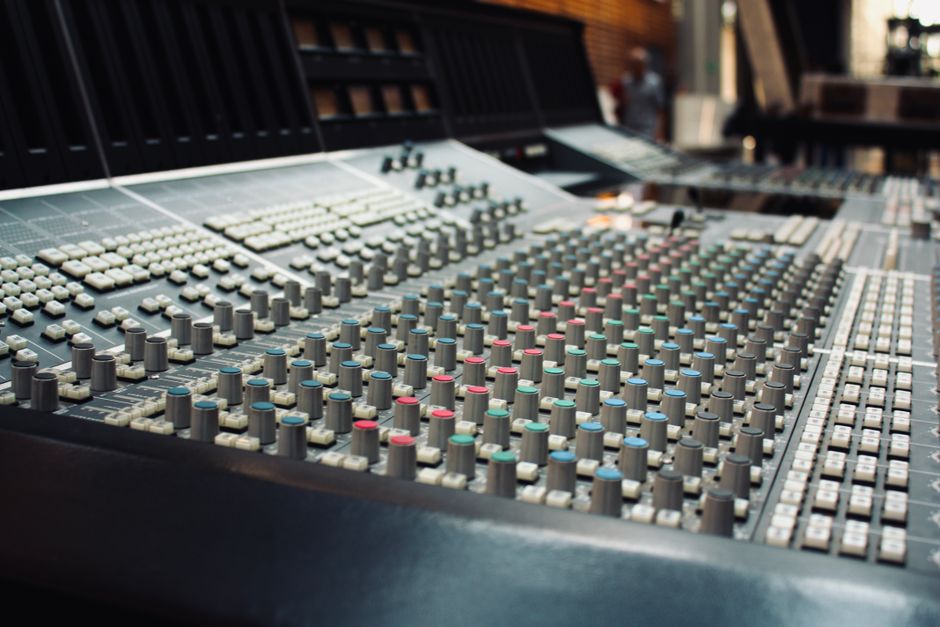
Audio is one of the most overlooked aspects of school show filming. School halls can be acoustically challenging, with echoes and background noise. Relying on the camera’s built in microphone rarely delivers clear results. Instead, professional productions use multiple microphones, including stage mics and backup audio sources, to ensure every spoken line and musical cue is captured. Planning for audio redundancy is essential, as technical issues can quickly undermine an otherwise well filmed production.
Why live streaming has become essential for school shows
In recent years, live streaming has become an invaluable service for school productions. Families who cannot attend in person need a reliable way to watch the performance in real time. However, successful live streaming requires more than simply pointing a phone at the stage. Broadcast quality live streams use secure private streaming links to protect privacy, and professional setups include backup internet connectivity to prevent interruptions.
Ensuring reliable streaming with robust connectivity
School venues may not always offer stable internet connections. Professional live streaming teams assess the venue in advance, testing both wired and wireless connections. Where needed, cellular bonding technology provides additional bandwidth and backup. This ensures that families watching remotely experience a smooth, uninterrupted stream, even if the school’s primary internet source fails.
Safeguarding and secure access
Privacy is a major consideration in school show filming. Professional services offer secure, password protected streams that can be shared only with approved viewers. This approach respects safeguarding policies and gives families confidence that the performance remains private. Where recordings are provided for later viewing, careful access controls and storage practices ensure long term security.

Planning the technical setup for school shows
Every school and every show presents a unique environment. Successful filming begins with a thorough site visit and consultation. It is important to plan camera positions, lighting adjustments and cable runs, taking into account the needs of both the performers and the audience. Multi camera setups allow for creative editing after the event, with wide, mid and close up angles providing a more dynamic viewing experience.
Working with lighting and stage design
School stages often have basic or uneven lighting. Professional crews bring additional lighting where appropriate, always taking care not to disrupt the atmosphere or distract the performers. Experience in broadcast and event environments allows teams to adapt quickly, balancing technical requirements with the creative vision of teachers and production staff.
Integrating audio visual elements
Many school shows include pre recorded music or multimedia elements. Integrating these into both the live stream and the filmed recording requires careful coordination. Direct feeds from sound desks, synchronisation of slides or video and clear communication with the production team all contribute to a seamless final product. This approach is similar to conference filming, where PowerPoint integration and mixed media are common requirements.
Practical advice for organisers and families
For organisers, defining the scope of the project early is crucial. Clarify whether the priority is live streaming, a high quality recording or both. Discuss safeguarding policies, access requirements and any specific requests from families. Early engagement with a professional production company allows time to address any technical or logistical challenges.
For families, understanding the differences between a basic recording and a broadcast standard production can help set expectations. Multi camera filming, professional audio and secure streaming all contribute to a more enjoyable and lasting record of the event. If you are interested, you can learn more about live streaming options for schools and events on our website.
Recording and long term access
Providing families with access to the recording after the event is increasingly important. Professional services manage editing, file delivery and long term storage with security in mind. Where requested, recordings can be made available through private links or as downloadable files, ensuring that every family can access the show in a way that suits them.
For those considering other types of event coverage, our event filming services apply the same broadcast standards to conferences, performances and community events.
How to avoid the most common pitfalls in school show filming
Many schools encounter recurring issues when filming their own shows. The most frequent problems include poor audio quality, missed camera angles, unreliable live streaming and privacy concerns. These can usually be traced to lack of planning, inadequate equipment or inexperience with live event workflows.
- Plan the technical setup in advance, including a site visit and equipment test.
- Use multiple cameras to capture the full performance and minimise missed moments.
- Prioritise professional audio capture with redundancy in place.
- Test and secure the internet connection, applying backup solutions where needed.
- Protect privacy with secure streaming links and controlled access to recordings.
By addressing these points, schools can avoid common pitfalls and deliver productions that meet the expectations of both families and staff. If you need further advice on best practice, our frequently asked questions provide more detailed guidance on technical and planning considerations.
Speak with our team about your school show filming needs
If you are planning a school show and want to ensure a professional result, we welcome you to contact our team for advice or a tailored proposal. Our experience with live streaming, event filming and secure access can help you deliver a memorable performance for every family, whether watching in the hall or from home.
Disclaimer: Guidance in this article reflects professional video production practice and does not replace venue, legal or organisational requirements. Always consult with your school’s safeguarding and event policies before filming or streaming any performance.