Understanding What Makes Conference Filming Effective
Conference filming has evolved significantly in recent years. Today, organisers and businesses want more than a simple event record. The priority is clear, well structured video content that people will actually choose to watch online. This requires more than placing a camera at the back of the room. It takes careful planning, technical precision and a deep understanding of both audience needs and online viewing habits.
Planning for Watchable Conference Video
Effective conference filming begins long before the event itself. At Brian David Films, established in 1992, we start by working with clients to understand the purpose of the event and the intended audience for the final video. Is the aim to provide a full session archive for delegates? Will highlights be shared with those unable to attend? Should content be made available via secure private streaming or edited for public release? Early clarity on these points shapes every aspect of production, from camera placement through to post event delivery.
Defining Scope and Structure
We help organisers determine whether to record every session in full or focus on keynote presentations. Panel discussions, Q&As and breakout rooms each present different production challenges. A clear content structure ensures that the most valuable material is prioritised and that the final video remains concise and purposeful. Our team advises on session flow, transitions and how best to incorporate presentation materials such as PowerPoint slides.
Audience Expectations and Access
Modern audiences expect immediate access to relevant content. This means reliable live streaming is often as important as high quality post event editing. We consider whether viewers will want to watch entire sessions or prefer shorter, summarised content. Planning for both live and on demand access helps maximise the value of your investment in conference filming.
Technical Standards for Reliable Conference Filming
Professional conference filming demands more than high resolution cameras. At Brian David Films, we specify multi camera workflows to capture different angles, speaker reactions and audience engagement discreetly. This ensures content remains visually dynamic and supports editing flexibility after the event.
Audio Quality and Redundancy
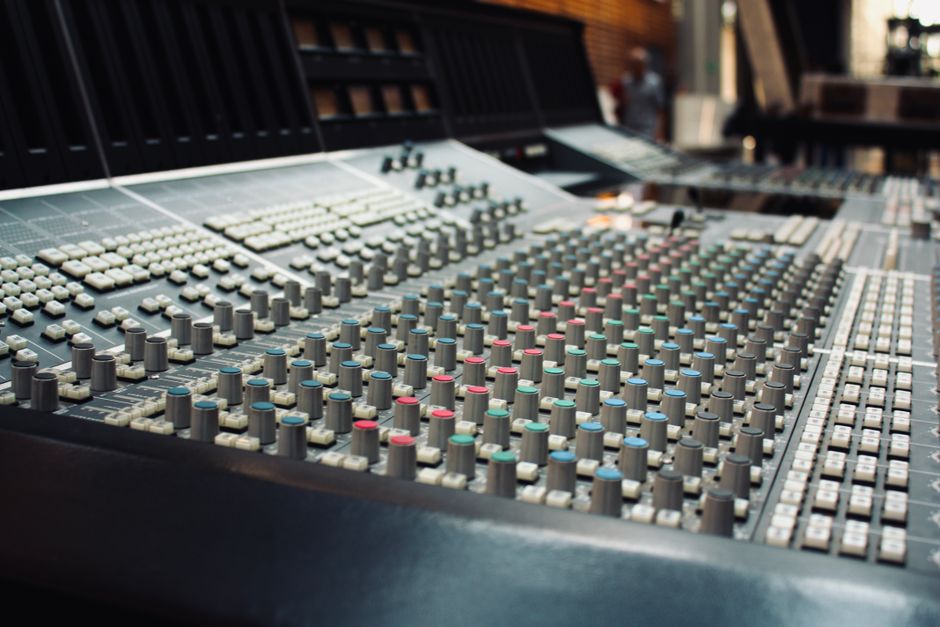
Clear audio is essential. We use a combination of direct feeds from venue sound desks, wireless microphones and ambient room microphones to ensure every speaker is captured accurately. Redundancy planning means backup audio sources are always ready to avoid interruptions due to technical issues.
Integrating Presentations and Visuals
Many conferences rely heavily on visual aids. We routinely integrate PowerPoint slides and other presentation materials directly into the video feed. This approach gives online viewers a clear, uninterrupted view of both the speaker and their content, maintaining context and clarity throughout.
Venue Internet and Connectivity Planning
Live streaming introduces additional technical requirements. Reliable, high speed internet access at the venue is critical. We conduct pre event site assessments to test connectivity, and where necessary, deploy cellular bonding and backup connectivity solutions. This ensures a stable stream even if primary connections become unreliable. For sensitive or private events, we offer secure private streaming links to restrict access and protect content integrity.

Making Conference Videos More Accessible and Useful
The way content is delivered online makes a significant difference to how people engage with it. We help clients structure their conference video for clarity and ease of access. This can include segmenting longer sessions into shorter, chaptered videos or providing indexed highlight reels. Clear titling, speaker names and session descriptions all support usability, especially when content is embedded on organisational websites or learning platforms.
Long Term Access and Archiving
Many organisations require conference content to be accessible beyond the event itself. We provide secure hosting solutions with private access controls as well as downloadable archives. This supports ongoing staff training, stakeholder communications and future reference. For those looking to enhance their website content, our web video production services ensure conference material is integrated effectively.
Managing Sensitive and Confidential Conference Content
Some conferences involve confidential information or sensitive discussions. We are experienced working in environments where discretion is required. Secure private streaming links, controlled access, and careful camera placement ensure privacy standards are respected. Our commitment to professional conduct and confidentiality is reflected in every stage of production.
Frequently Asked Questions
- How many cameras do you recommend for conference filming?
We typically advise a minimum of two cameras for a dynamic and flexible result. Larger conferences may require three or more, especially when covering multiple speakers or audience interaction. - Can you record and live stream at the same time?
Yes, our workflows are designed for simultaneous live streaming and high quality recording. This ensures both live and on demand access for viewers. - How soon can finished videos be made available?
We offer rapid turnaround for essential content, with full edited sessions usually delivered within an agreed timeframe after the event. Live streams are available instantly for remote viewers. - Is secure access available for sensitive conferences?
Yes, we provide password protected or invitation only streaming links to ensure only authorised individuals can view the content. - Can you include presentation slides in the video?
We routinely integrate PowerPoint slides and visual materials directly into the video. This ensures online viewers see exactly what in room delegates are seeing.
Find Out More About Professional Conference Filming
For a detailed discussion about your conference filming requirements, including secure streaming and multi camera setups, visit our live streaming services page or contact us for tailored advice.
Disclaimer: This guidance reflects professional video production practice and does not replace venue, legal or organisational requirements.